
I hope you’re ready to see a billion underexposed photos of the same exact dough over and over and over again.
Please say yes, because you will be rewarded with this.

This was a… project. To say the least.
I had been dying to try homemade croissants for ages, and after mentioning them when I made almond joy scones, I couldn’t wait any longer.
I have a sentimental reason for loving croissants: every summer my grandma would bring one from the Bread Box Bakery in Boyne City. We ate them plain — simple, buttery, and perfect. No jam, no eggs, nothing to distract from that fabulous flavor. Croissants always remind me of her.
And I have a more frivolous reason: I adore the movie It’s Complicated. I’m a little obsessed with Steve Martin, I want Meryl Streep’s bakery, and Alec Baldwin has an oddly compelling presence that drives me nuts. I’ve probably watched that movie a hundred times. I’m easily entertained.
Sadly, no one mentions that making croissants properly can take most of a day. I wish I were joking. I managed to compress the process to about ten hours because I’m impatient and tired of pacing my kitchen, but there was flour absolutely everywhere.
I’m not going to tell you croissants are effortless — they’re not. They’re similar to roasting a chicken: the first time is exhausting and awkward, but it gets easier and more rewarding with practice. The final result is worth the effort; I burned my tongue on a croissant that was still too hot because it was so fresh and flaky.
Oh — and I made four flavors: classic, chocolate, cinnamon sugar, and pumpkin spice. Yes, I’m insane.
It all starts with yeast and flour.
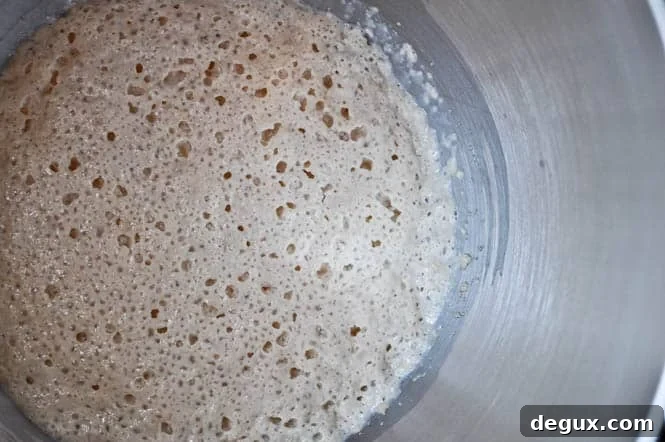
Chances are you have everything you need in your kitchen, so why not begin now?
After mixing, the dough feels slightly sticky. Remove it from the bowl and knead with a little flour until it’s smooth and not tacky. I actually love that feeling on my hands.
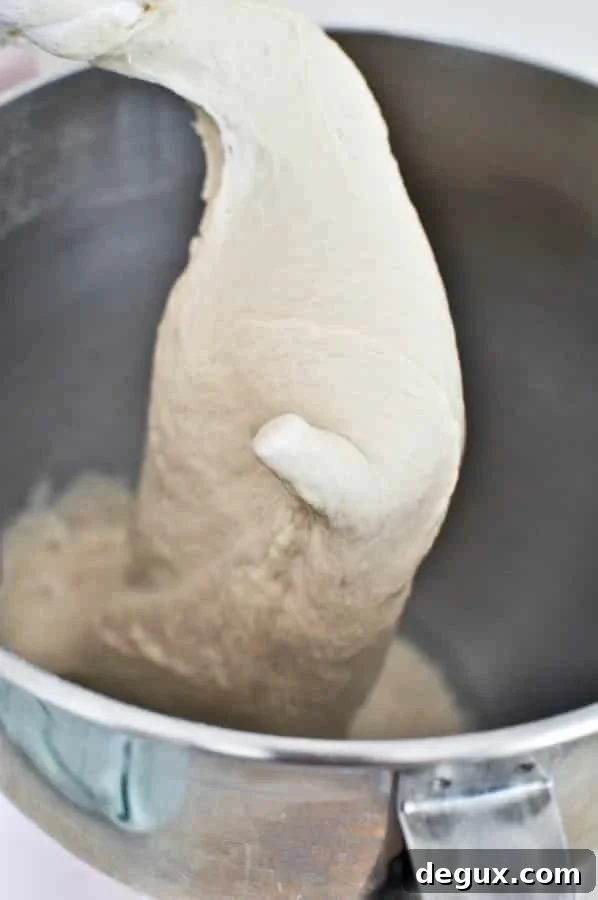
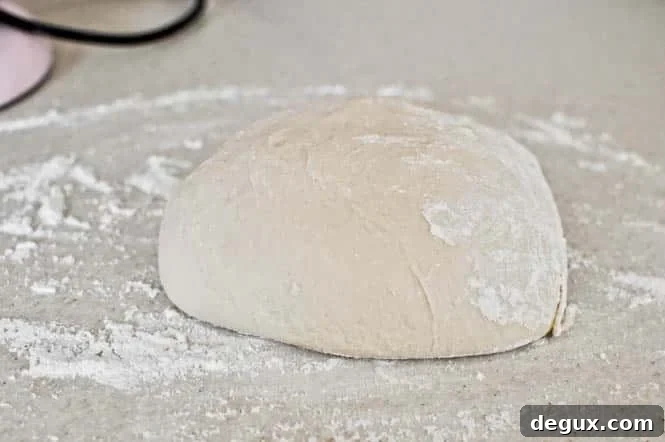
Shape the dough into a soft rectangle or pillow-like lump, wrap it in plastic, and chill in the fridge for about an hour. This is the point when patience starts to wear thin.
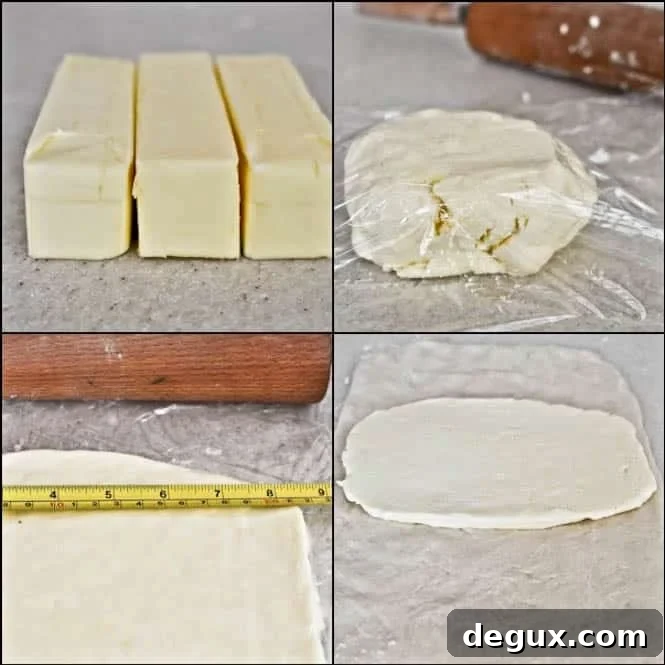
Next up: the butter. You’ll pound cold but not rock-hard butter flat, then sandwich it between plastic wrap (or clean towels) and roll it into a rough rectangle. This is why croissants are so rich — the butter is essential. Don’t skimp.
Roll your chilled dough out, place the butter slab in the center, and fold the dough over the butter like a letter: top down, bottom up. This amused me early on, mostly because I was starting to lose it after a couple of hours.
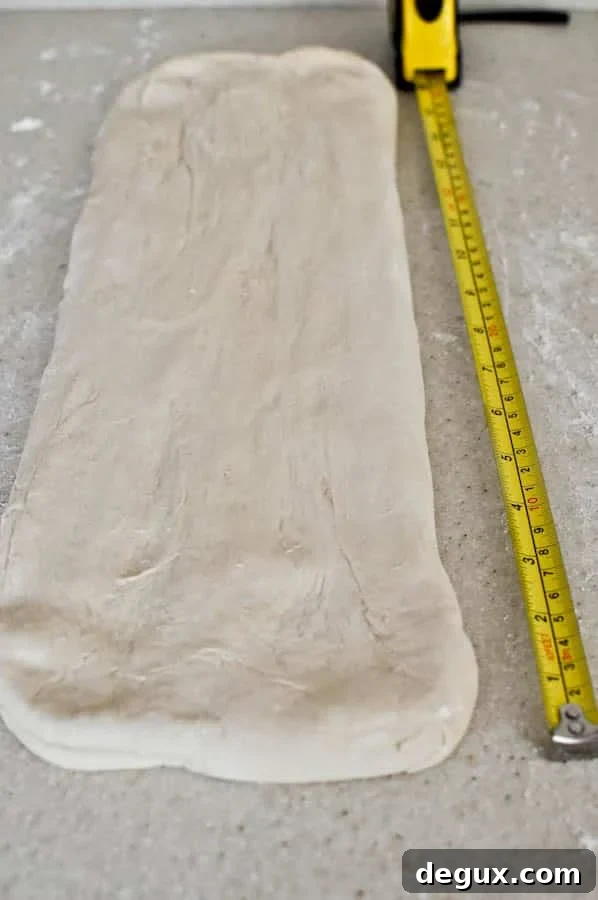
With the short end facing you, use a rolling pin to press and roll out the dough into a long thin rectangle. Fold it again like a letter, then chill. This is the first fold.
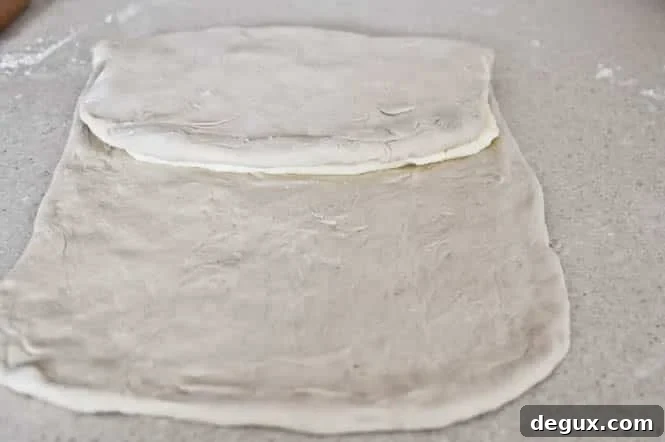
You repeat this process for a total of four folds, chilling 1–2 hours between each fold. It’s tedious but necessary for the distinct flaky layers. My tip: make the dough and do the folds in the late afternoon, refrigerate overnight, and shape the croissants the next morning for the best timing and light for photos.
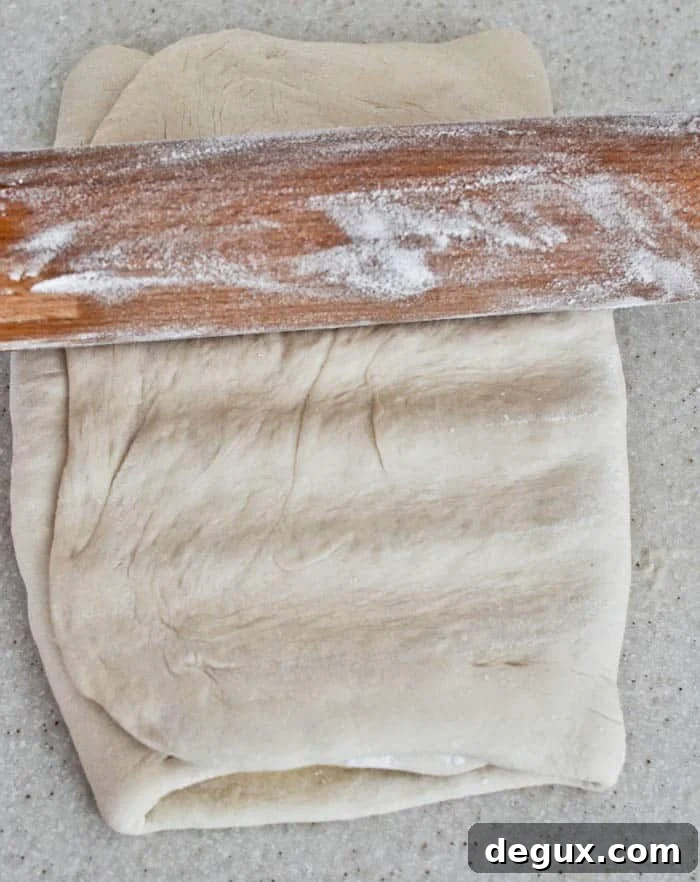
Full disclosure: I may not be executing this like a French pastry chef, and you might cringe if you’re professional, but it worked for me.
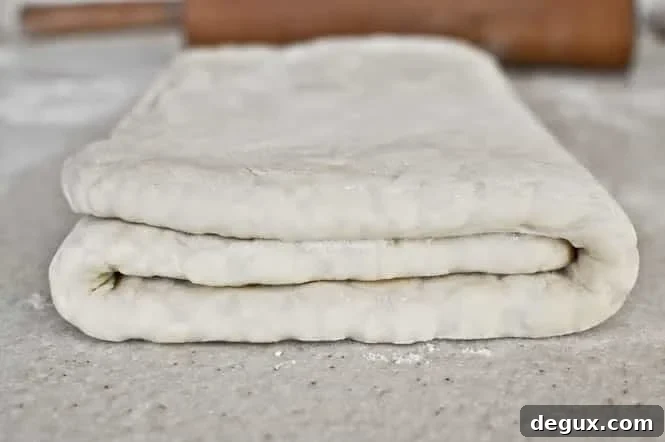
After four folds and refrigeration, the dough will show little flecks of butter. I panicked a bit, but continued — and it turned out fine. If this happens, don’t throw in the towel.
Roll the dough into a final long thin rectangle and cut triangles with a pizza wheel or sharp knife.
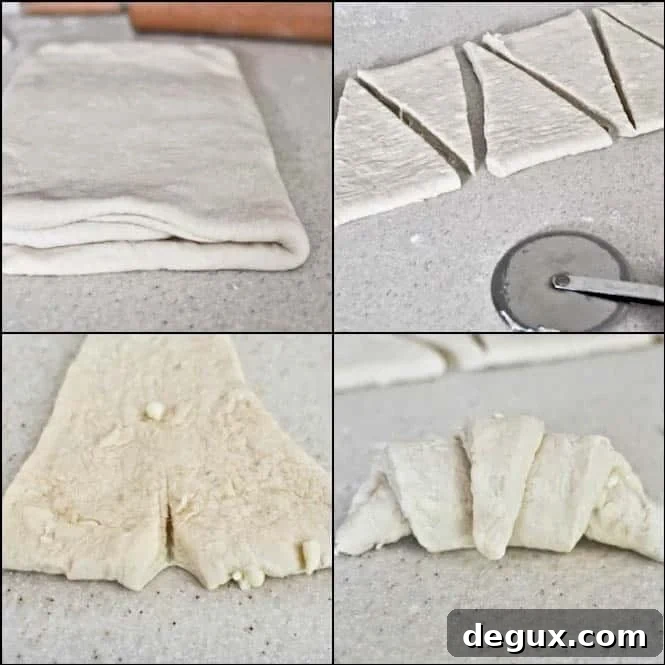
Make a small slit at the base of each triangle, then roll toward the tip, stretching the ends slightly as you go to encourage good layering. Place the croissants on a baking sheet, brush with egg wash, and let them proof in a warm spot for an hour or two. They’ll puff up a bit.
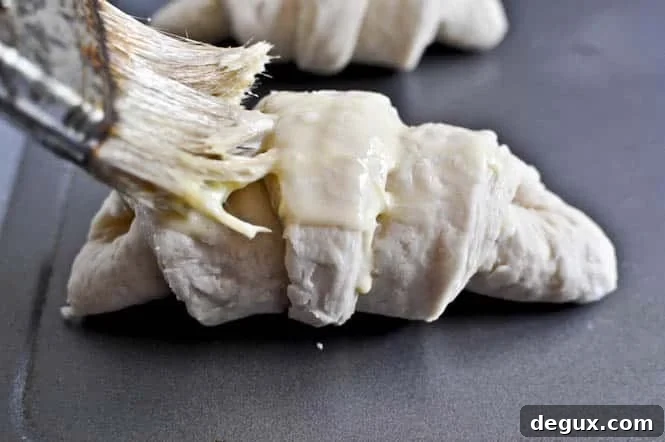
I was nervous about baking them, but the result was worth it. The oven filled the kitchen with that unmistakable, buttery aroma.
Here are the variations I made.
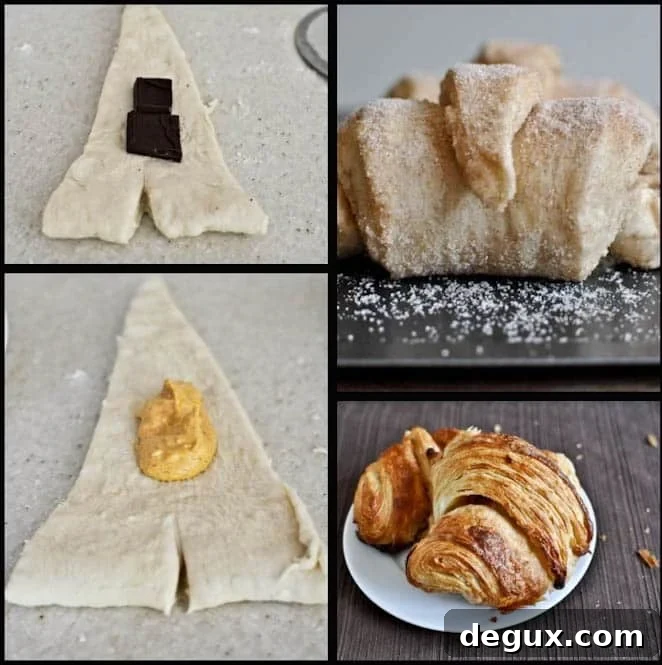
For chocolate croissants, tuck a piece of chocolate into the center before rolling. For pumpkin spice, add a spoonful of pumpkin-cream filling. For cinnamon sugar, either layer cinnamon sugar between folds for every pastry or coat individual triangles before and after rolling for a sweet crust. Use a nonstick sheet if sugar is involved, and let them cool before removing.

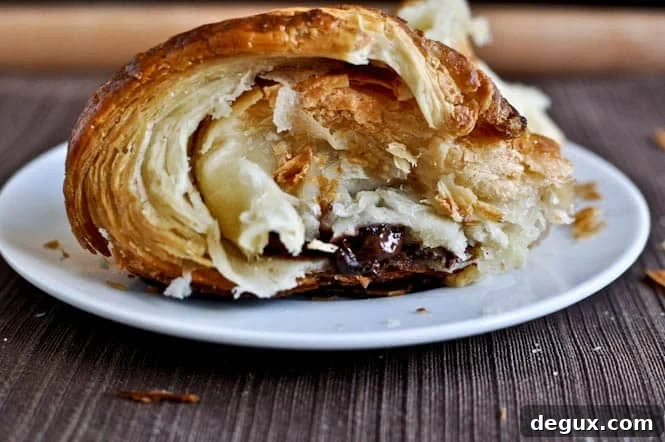
I was stunned when I tore into one fresh from the oven — delicate layers and flaky crumbs just like the bakery. I photographed, sampled more than one, and then wisely packed the rest for my parents because eating croissants for every meal seemed unwise.
They were still lovely on day three, which surprised me. The whole experience was intense but so satisfying that I hope it won’t be another ten years before my next batch.
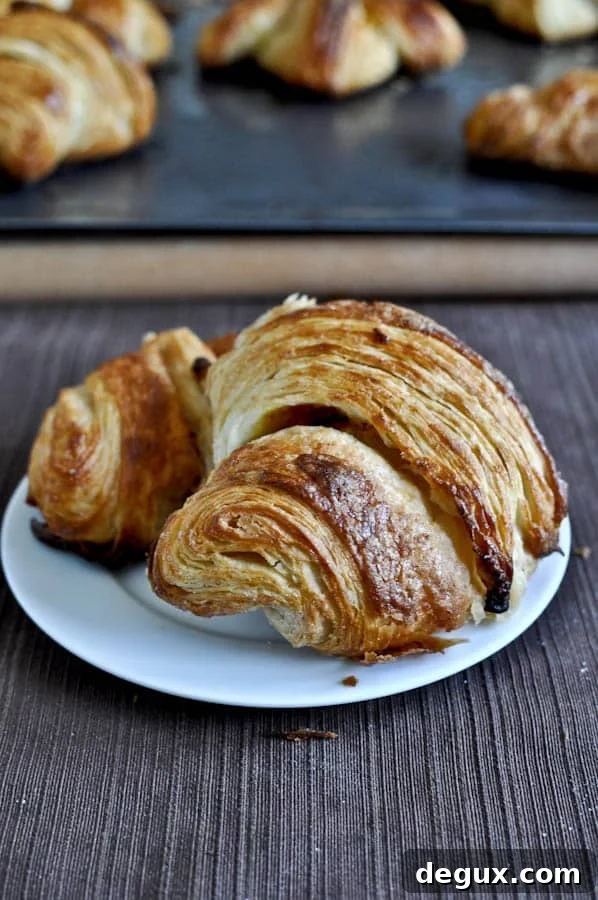
Croissants
Makes about 20–24 croissants, depending on triangle size
Ingredients:
1 1/2 cups warm whole milk (about 105°F)
1/4 cup packed brown sugar
1 tablespoon + 1/2 teaspoon active dry yeast
3 3/4 – 4 1/2 cups all-purpose flour
1 tablespoon salt
3 sticks (1 1/2 cups) cold unsalted butter
1 egg + 1 teaspoon whole milk, beaten for brushing
Basic method:
1. Combine milk, sugar, and yeast in the bowl of a stand mixer fitted with the dough hook. Let sit until foamy, about 5–10 minutes. If it doesn’t foam, restart. Add 3 3/4 cups flour and salt, and mix on low until a soft dough forms, about 7 minutes. Knead briefly by hand, adding flour as needed until the dough is silky but not sticky. Shape into a 1 1/2-inch thick rectangle, wrap, and chill for 1 hour.
2. Arrange butter sticks side by side, pound and press into a roughly 8 x 5-inch rectangle between plastic wrap or towels. Chill while you roll the dough.
3. On a lightly floured surface, stretch the dough into a 16 x 10-inch rectangle. Place butter slab in the center, fold the dough over like a letter (top down, bottom up), turn so the short side faces you, and roll into roughly a 15 x 10-inch rectangle. Fold like a letter again to form about a 10 x 5-inch rectangle. Wrap and chill 1 hour.
4. Repeat step 3 three more times, chilling 1 hour after each fold. After the fourth fold, wrap tightly and chill 8–12 hours (I chilled 6 hours with good results).
5. Preheat oven to 450°F. Roll dough into a long skinny rectangle, about 20 x 32 inches, and cut into triangles. Make a small slit at the base of each triangle and roll toward the tip. Place croissants 2–3 inches apart on a baking sheet, cover, and let rise in a warm spot for 1–2 hours. Brush with egg wash and bake 12–14 minutes until golden. Cool slightly before removing from the sheet.
Flavor notes:
For chocolate croissants: place 1/2–1 ounce of chocolate in the center before rolling.
For cinnamon sugar croissants: either layer cinnamon sugar between folds for all croissants, or coat individual triangles before and after rolling. Use a nonstick sheet and let cool fully before removing.
For pumpkin spice croissants: add 1–2 teaspoons pumpkin-cream filling to the center before rolling. For the filling, combine cream cheese, pureed pumpkin, sugar, and pumpkin pie spice. You can also roll triangles through pumpkin spice sugar before and after brushing with egg.
Whew. That was intense.