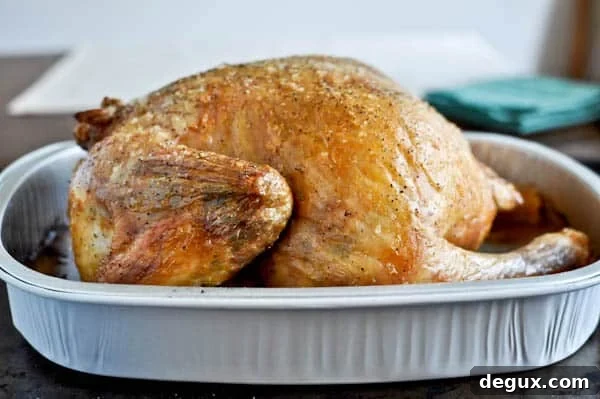
It seems I’ve been a little obsessed with chicken roasting lately. I get attached to a method quickly, especially when the results are incredibly delicious. Here’s my straightforward approach to roasting a chicken that consistently turns out juicy meat and crispy skin.
I usually buy a whole chicken around 5–6 pounds. That size feeds a few people and gives leftovers for sandwiches or salads during the week.
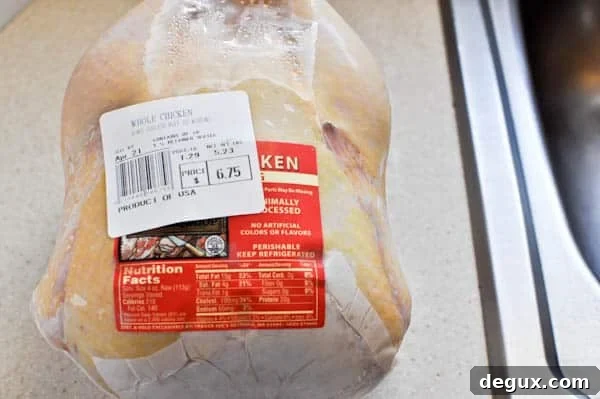
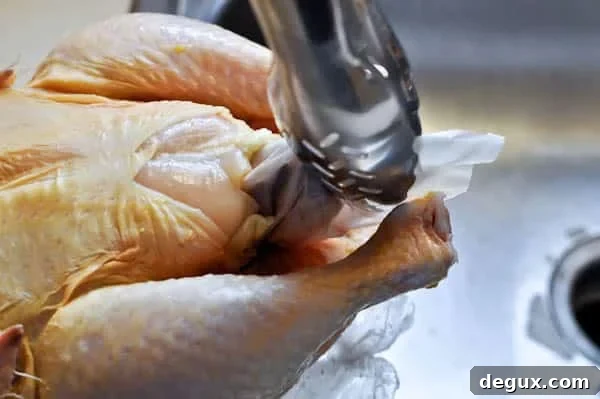
Start by unwrapping the bird and removing the packet of giblets if it’s included. I use tongs for this and set the packet aside to save for stock or discard, whichever you prefer. Place the cavity items in a sealed bag and take them out with the garbage soon after—no one wants to deal with that later.
Pat the chicken very dry with paper towels, inside and out. Dry skin helps achieve the crispiest roast. Then season generously with salt and pepper both inside the cavity and on the outside. Don’t be shy—this step brings out the flavor.
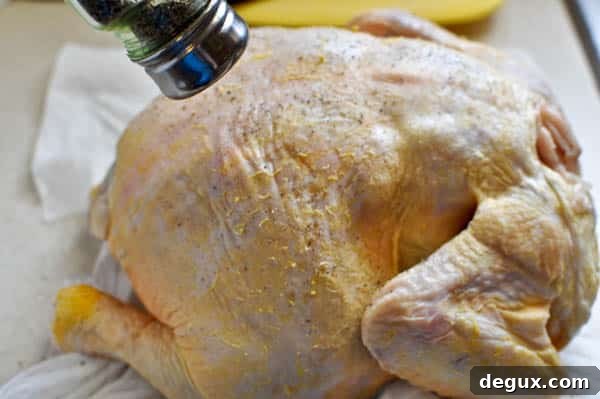
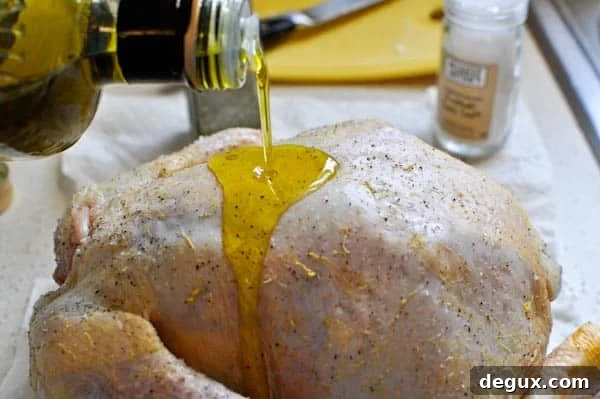
Check the skin for any stray feathers and remove them if needed. Next, rub the entire bird with olive oil to help the skin brown and crisp. This simple oil-and-salt method gives reliably excellent results—crispier and more flavorful than some more elaborate herb butter techniques, in my experience.
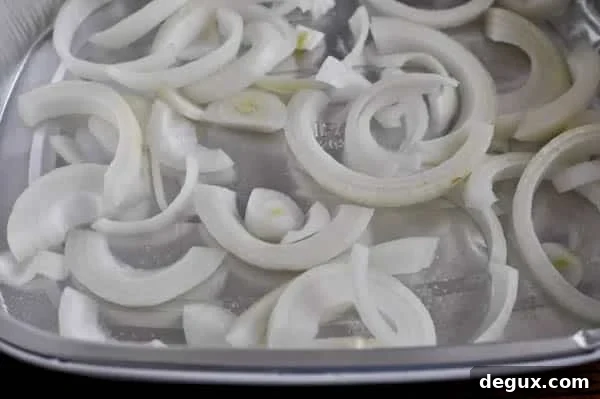
I typically slice one or two onions and scatter them in the bottom of the roasting pan. They add flavor and help keep the chicken elevated slightly so air circulates beneath it. I prefer a smaller roasting pan with higher sides; it fits better around the bird and holds the juices without spilling.
You can stuff the cavity with aromatics like lemons and garlic if you like, or leave it plain—both work well. Lately, the simple salt, pepper and oil routine has been our favorite because it’s quick and highlights the chicken’s natural flavor.
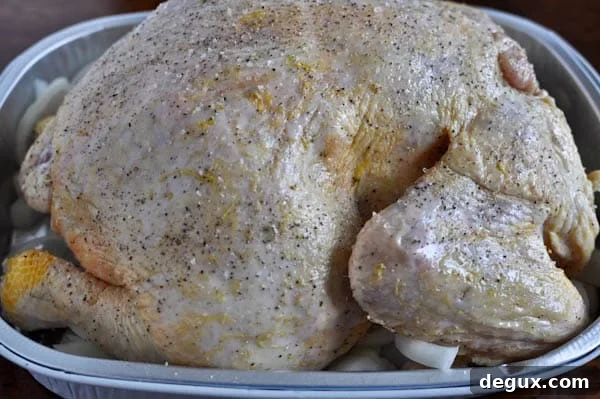
I roast a 5–6 pound chicken at 425°F (around 220°C) for about 85–90 minutes. Oven times vary, so start checking the bird around 75 minutes. While it roasts, clean and sanitize the counter where you prepared it—raw poultry needs careful handling.
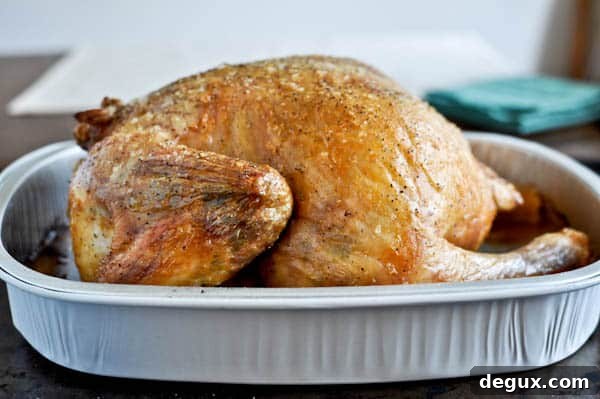
Before carving, verify that the chicken is fully cooked. A meat thermometer should read at least 165°F (74°C) in the thickest part of the thigh without touching bone, and the juices should run clear when you slice near a leg. Once cooked, carve the bird into breasts and thighs so everyone can choose white or dark meat.
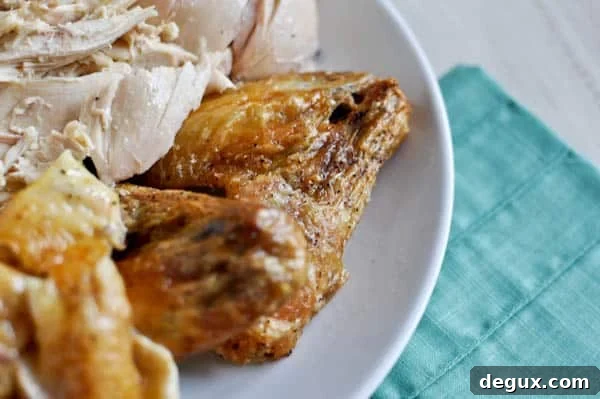
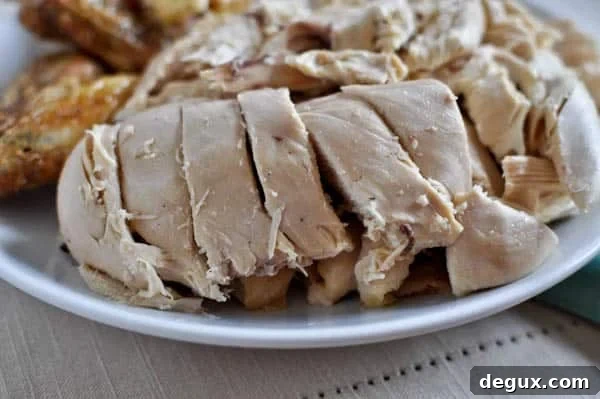
Save the carcass and any leftover bones to make a flavorful chicken stock—don’t throw them away. And don’t discard the skin either: the freshly roasted, crispy skin is one of the best parts. Serve the chicken hot, and keep any leftovers for lunches and quick dinners all week.
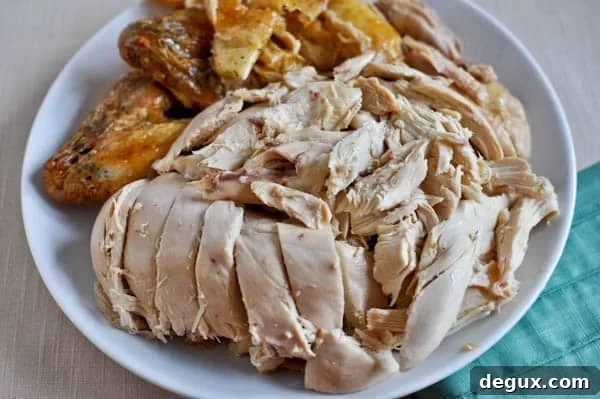
Some people ask why roast a chicken yourself instead of buying a pre-cooked one. I used to wonder the same, but homemade roast chicken has a depth of flavor and crispness you just can’t match with store-bought rotisserie. If you enjoy cooking, it’s a small investment of time for great results.

And of course, a roast chicken dinner is best followed by a simple dessert. Recipe coming soon. Who’s roasting a chicken this week?