

Croissants: A Homemade Journey
I hope you’re ready to see a lot of imperfect photos and read about one ambitious croissant-making project. If you’re saying yes, you’ll be rewarded with the story and a clear walkthrough of how these flaky pastries came to be in my kitchen.
This was a serious project. I’ve wanted to try homemade croissants for years. After I mentioned them when making almond joy scones, I could hardly wait to attempt them myself.
I have a nostalgic reason for loving croissants: when I was young, my grandma would pick up croissants from the Bread Box Bakery every summer. We ate them plain — simple, buttery, and perfect. No jam, no egg, nothing to mask that buttery flavor. Croissants always remind me of her.
I also love croissants for a more frivolous reason: the movie It’s Complicated. I have a soft spot for the bakery setting and its characters, and I might have watched it far more times than is reasonable. Call it inspiration.
One important reality: making croissants properly takes a long time. While many recipes suggest up to 14 hours, I pushed through a version of it in about 10 hours because I was impatient and wanted to finish before evening. Expect flour everywhere and a lot of waiting between steps.
I won’t claim croissants are easy — they’re not. But like roasting a chicken, the first attempt is the hardest; after that it becomes more manageable and rewarding. The first bite of a fresh, homemade croissant — so hot you might burn your tongue — is absolutely worth the effort.
I made four varieties: classic, chocolate, cinnamon sugar and pumpkin spice. Read on for the process and practical tips.
Starting the Dough
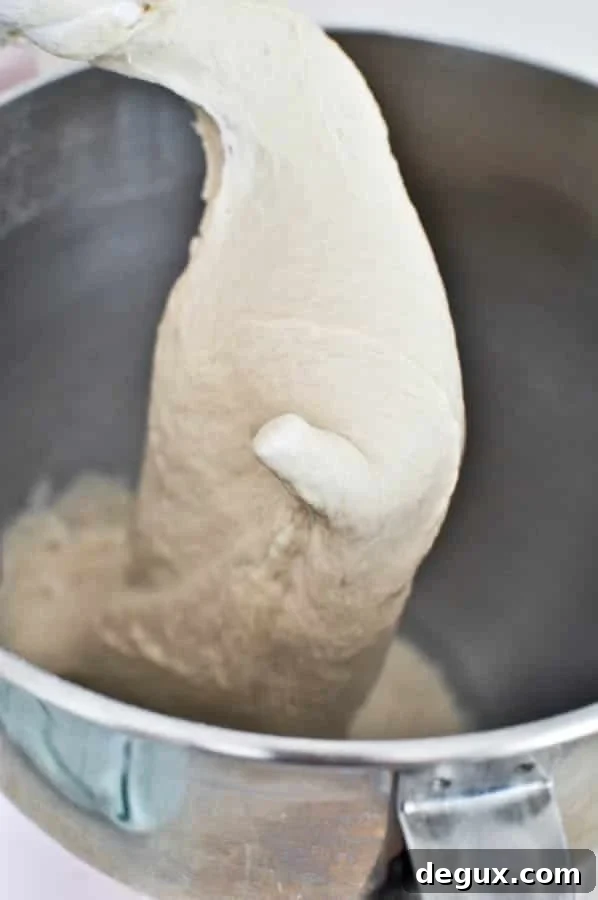
Most kitchens already have the basic ingredients, so this is a project you can start right away. After mixing the dough, it will feel slightly sticky. Remove it from the bowl, knead it briefly with some flour until it feels smoother, then shape it into a soft rectangle, wrap it tightly in plastic, and chill for an hour.
When the dough has chilled, it’s time to work the butter. This step surprised me: croissants contain a lot of butter. Don’t skimp — butter is essential for the layers and flavor.
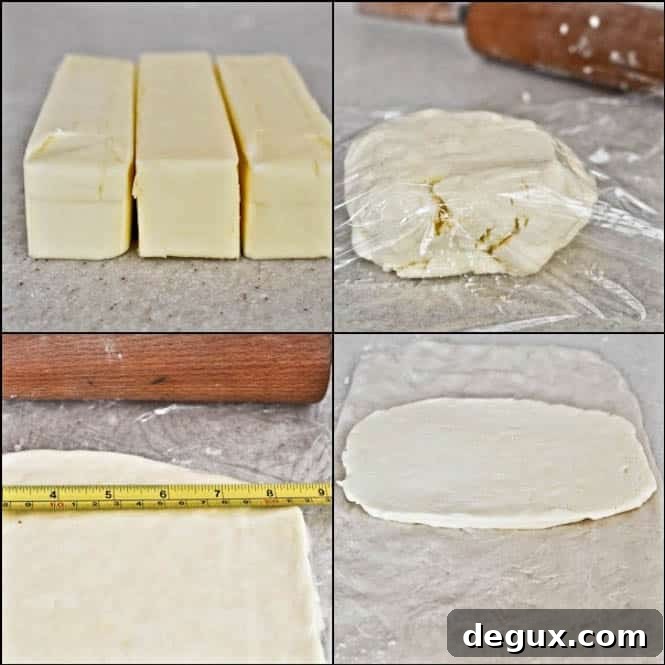
Soften cold butter slightly by pounding it with a rolling pin, then press it between sheets of plastic wrap (or clean towels) and shape it into an even rectangle roughly the size your recipe requires. Chill it while you roll out the dough.
Enclosing and Folding
Roll the dough into a rectangle, place the butter slab centered on the dough, and fold the dough over the butter like a letter: top down, bottom up. Turn the dough so the short side faces you and roll it out again. This process is called a fold — laminating the dough and butter to create layers.
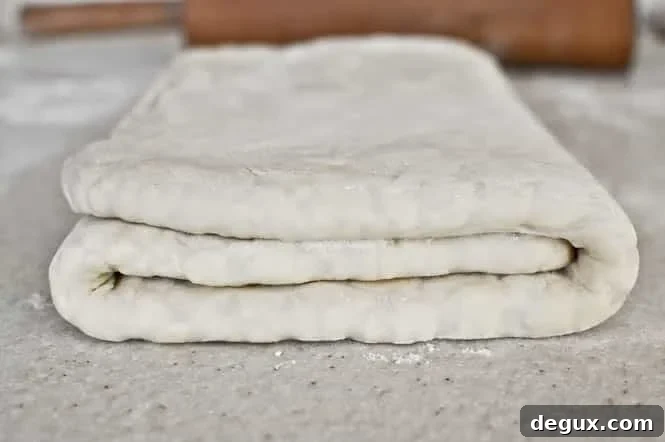
You’ll perform four folds total, chilling the dough for about an hour between each fold. This creates many thin layers of butter and dough that bake into the characteristic flaky structure. If your kitchen is small or you prefer, do the folding sequence in the evening and chill overnight before shaping and baking the next day.
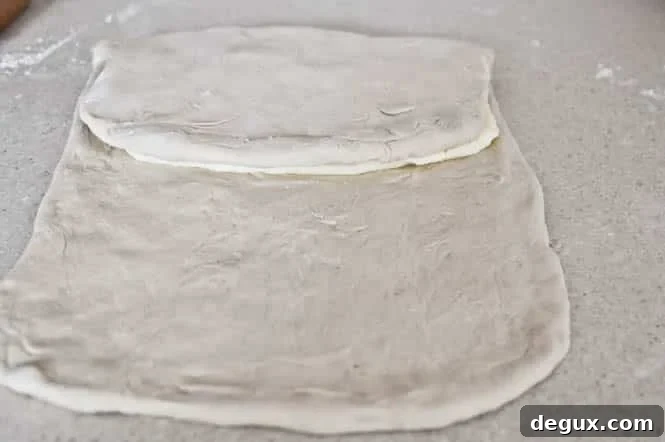
After the fourth fold, chill the dough longer — ideally 8–12 hours, though I used six and it still worked. The dough might show small butter pieces or crumbs; that can be unnerving but continue with the process. The layers will come together during rolling and baking.
Shaping and Baking
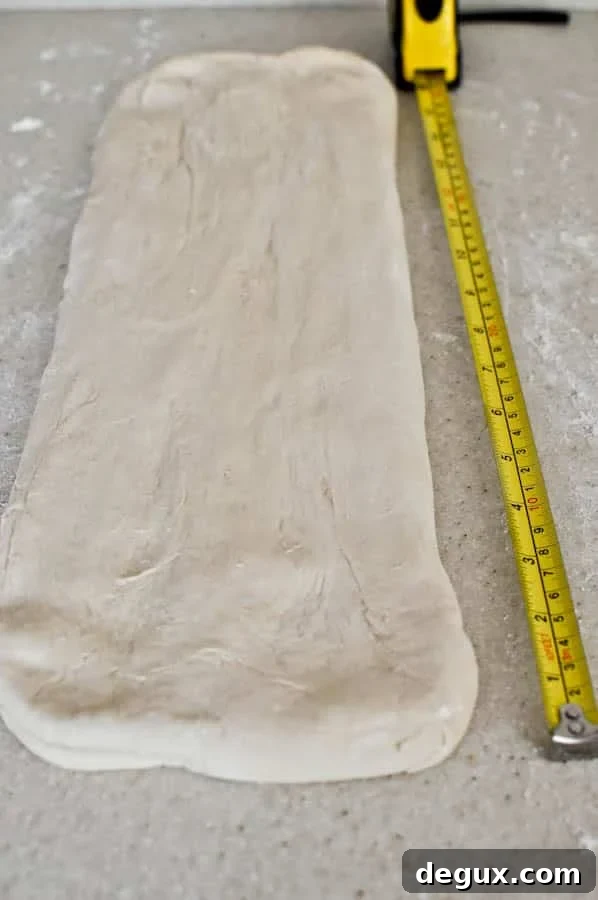
Roll the chilled dough into a long, thin rectangle and cut triangles using a pizza cutter or sharp knife. Cut a small slit in the straight end of each triangle, then roll from the straight edge toward the tip, stretching the sides slightly to form the crescent shape.
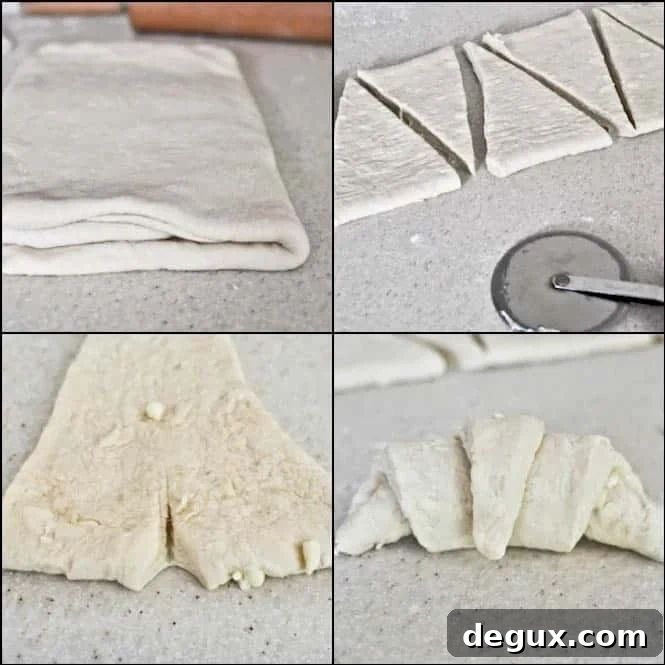
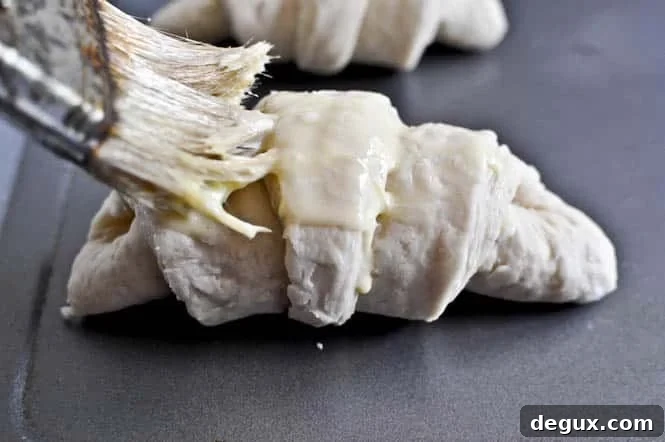
Place croissants on a baking sheet about 2–3 inches apart. Cover them with a towel and let them proof at room temperature until slightly puffy, about 1–2 hours. Brush with an egg wash before baking at 450°F (232°C) for about 12–14 minutes, until golden brown.
Flavor Variations
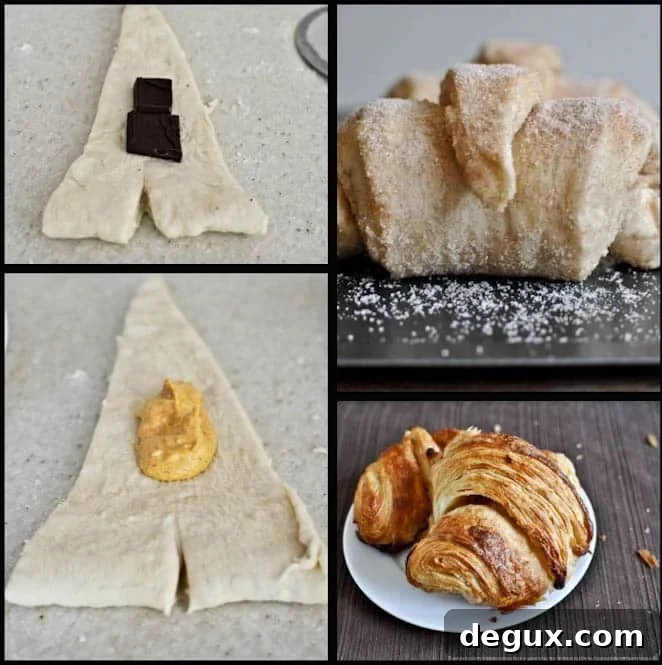
Chocolate croissants: place 1/2 to 1 ounce of chocolate near the straight edge of the triangle before rolling.
Cinnamon sugar croissants: either layer cinnamon sugar between folds if you want every croissant flavored, or brush the triangle with egg wash and coat it in cinnamon sugar before and after rolling for individual cinnamon croissants. Use a non-stick sheet and allow the pastries to cool before removing, since sugar can caramelize and stick.
Pumpkin spice croissants: add 1–2 teaspoons of pumpkin-spice cream in the center before rolling. For the cream, combine cream cheese and pureed pumpkin with sugar and pumpkin pie spice. You can also roll triangles through a pumpkin spice sugar blend before baking; again, use a non-stick sheet and let cool completely before removing.

Reflections
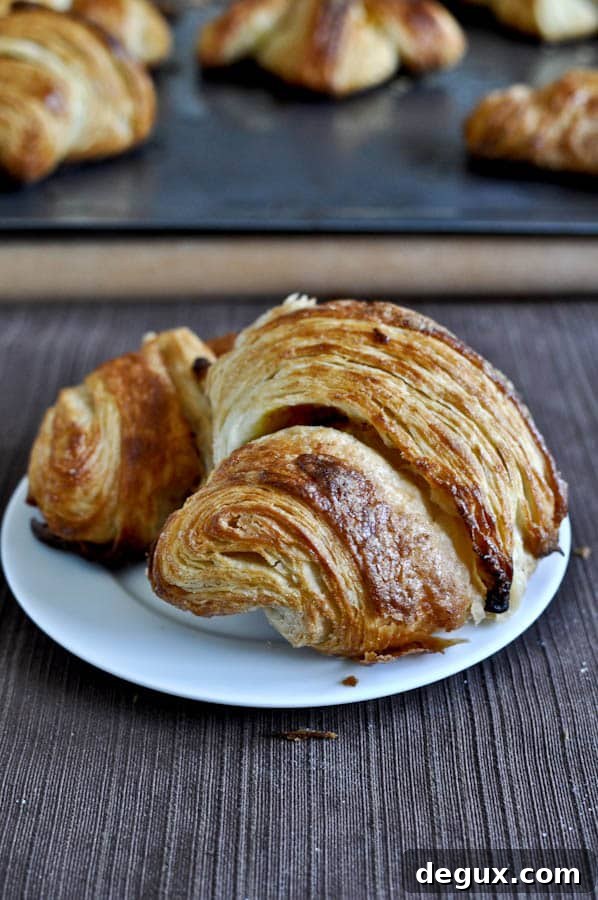
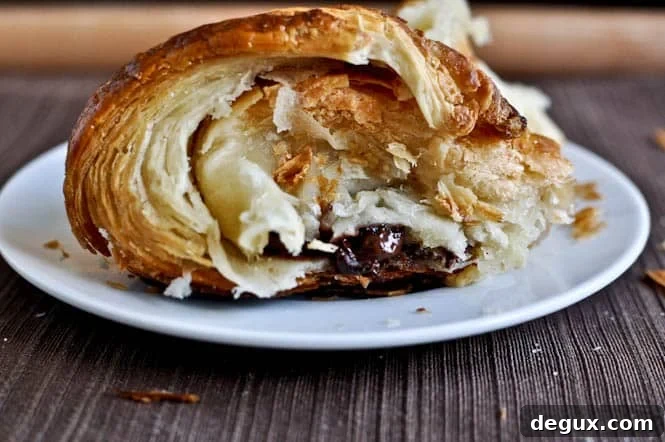
When the croissants came out of the oven, the smell was incredible. The first bite revealed visible flaky layers; I was thrilled and surprised they turned out so well. I didn’t fuss with presentation — flaky crumbs and all — and ended up sharing most of the batch with family so I wouldn’t eat them all myself.
They kept reasonably well for a few days and were still enjoyable on day three. The process is intense but rewarding, and now that I’ve made them once, I feel more confident about doing it again.
Recipe (Makes about 20–24 croissants)
Ingredients:
- 1 1/2 cups warm whole milk (about 105°F)
- 1/4 cup packed brown sugar
- 1 tablespoon + 1/2 teaspoon active dry yeast
- 3 3/4 – 4 1/2 cups all-purpose flour
- 1 tablespoon salt
- 3 sticks (1 1/2 cups) cold unsalted butter
- 1 egg + 1 teaspoon whole milk, beaten for brushing
Method (summary)
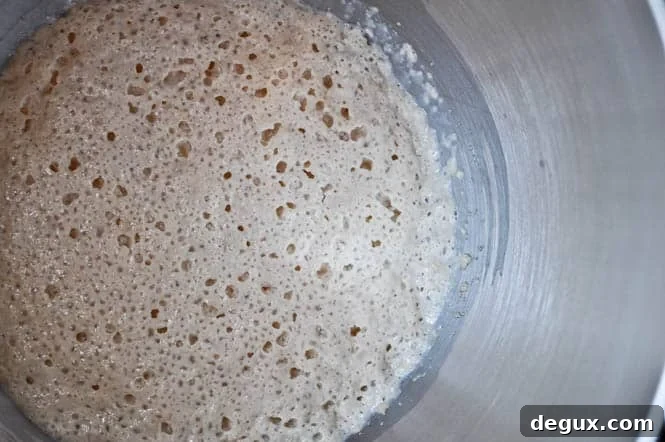
- In a stand mixer bowl, combine warm milk, sugar, and yeast; let sit until foamy (5–10 minutes). If it doesn’t foam, the yeast may be inactive. Add 3 3/4 cups flour and salt. Mix on low with a dough hook until a soft dough forms, about 7 minutes. Knead briefly by hand, adding flour as needed so it’s not sticky. Shape into a 1 1/2-inch-thick rectangle, wrap, and chill 1 hour.
- Prepare the butter by arranging cold sticks together, pounding and rolling them between plastic or towels into an 8 x 5-inch rectangle. Wrap and chill while you roll out the dough.
- On a lightly floured surface, roll chilled dough into a 16 x 10-inch rectangle. Place the butter slab in the center, fold the dough over like a letter, then roll to about 15 x 10 inches and fold again. Wrap and chill 1 hour. This counts as one fold.
- Repeat the folding step three more times (four folds total), chilling 1 hour between folds. After the fourth fold, wrap tightly and chill 8–12 hours (6 hours worked for me).
- When ready, roll dough into a long, skinny rectangle (about 20 x 32 inches). Cut into triangles. Make a small slit at the straight edge of each triangle, roll toward the tip, place on a baking sheet, cover and proof 1–2 hours. Brush with egg wash and bake at 450°F for 12–14 minutes until golden. Cool slightly before removing.
Whew — an intense effort, but a delicious one. If you decide to try this, give yourself time and patience, and enjoy the results.