
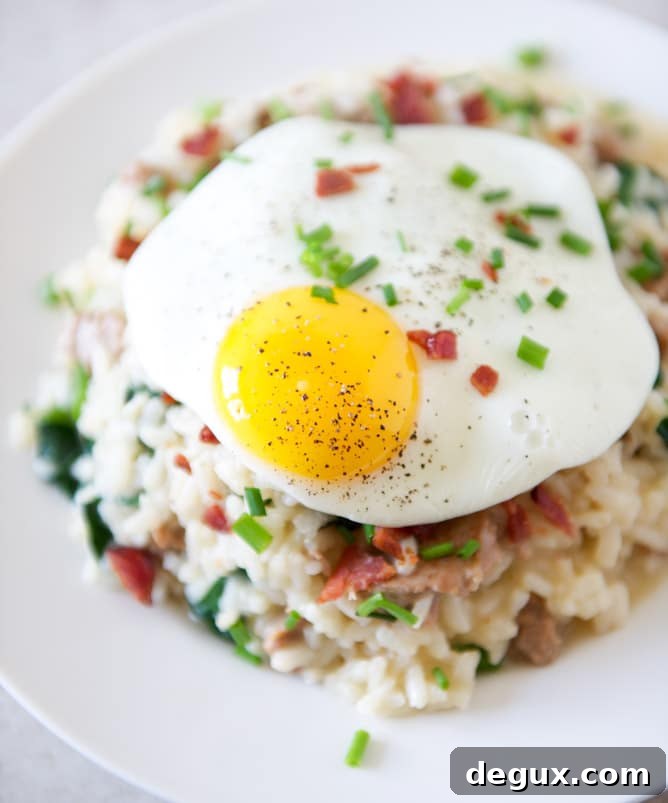
Let’s talk egg secrets.
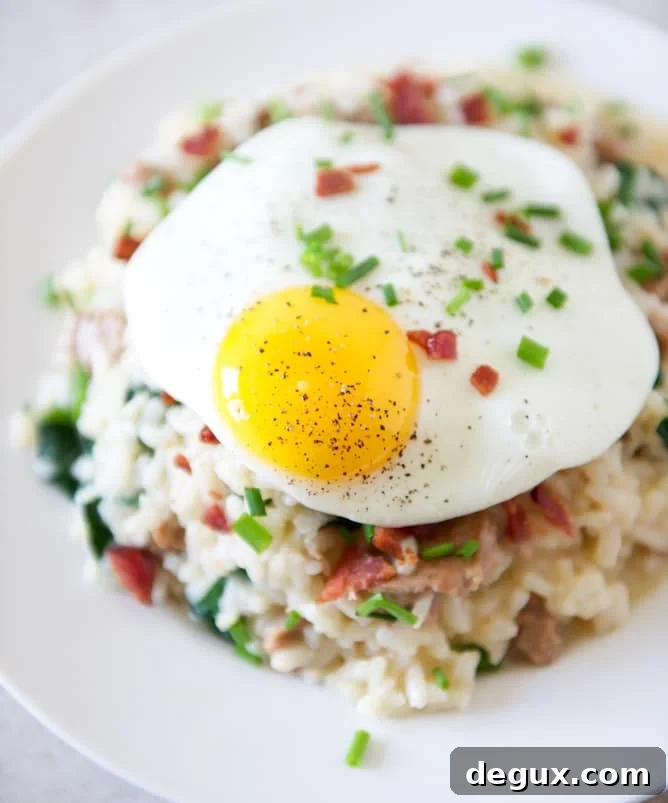
I love eggs. I eat them almost every day—scrambled with sautéed mushrooms and garlic, hard-boiled and sliced on hummus toast, or poached over roasted asparagus to make sure I get some vegetables. When I post fried-eggs recipes—whether on a breakfast hash (I’m obsessed: quinoa hash, day-after-Thanksgiving hash, grilled corn summer hash, white bean hash and Brussels sprouts hash) or on a sandwich—I get a lot of questions about how I make my eggs look so sunny and photogenic.
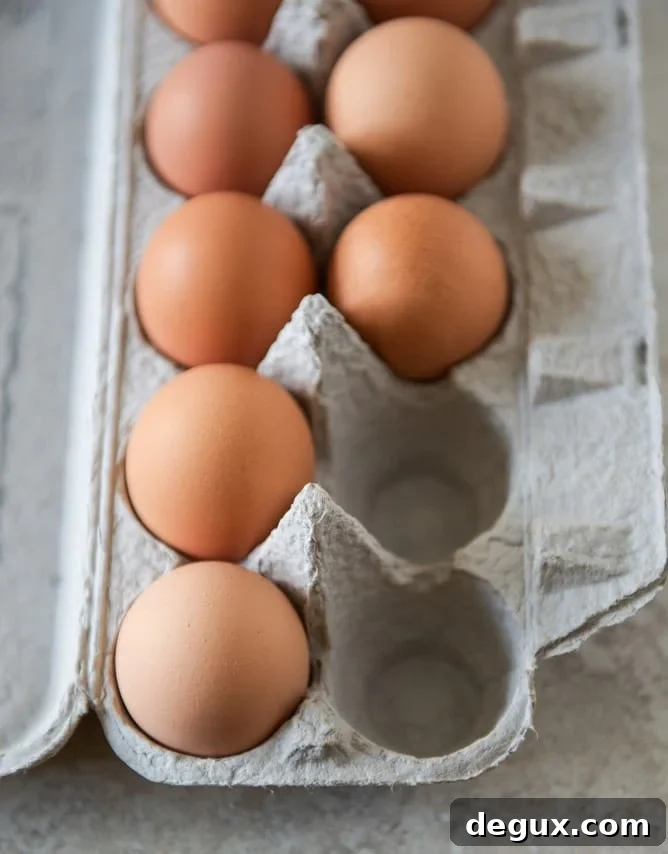
This is exactly what I do to get that clean, bright, sunny look—most of the time I only use this technique for food photos. I don’t use extreme styling tricks or fake substitutes; this is just a simple cooking method that makes fried eggs look appealing on camera. I don’t always bother when I’m cooking for myself or for guests because it takes a bit longer and I usually need my electric griddle for the process.
First: use a completely nonstick surface. No cooking spray. Ever. A proper nonstick skillet, griddle, or pan—electric or stovetop—works best so the egg whites stay smooth and intact. I prefer my large electric griddle because it gives an even, controlled surface.
Second: set the temperature very low. I set my griddle to its lowest setting (around 200°F) or turn the stovetop burner to low. Low heat is key to cooking the whites through without browning or crisping the edges.
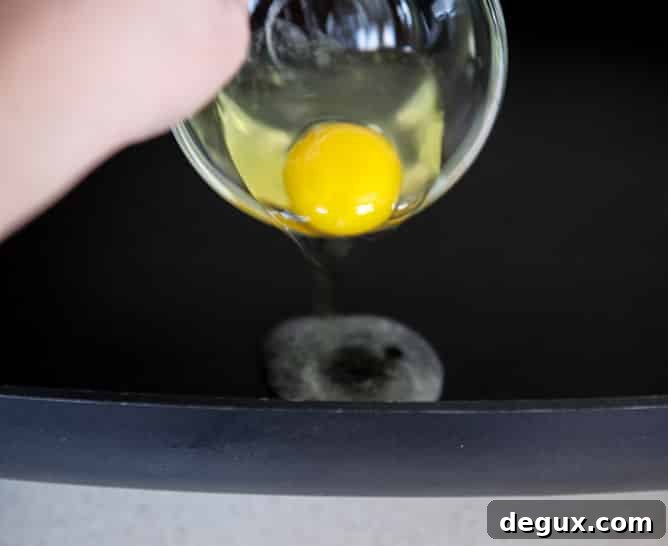
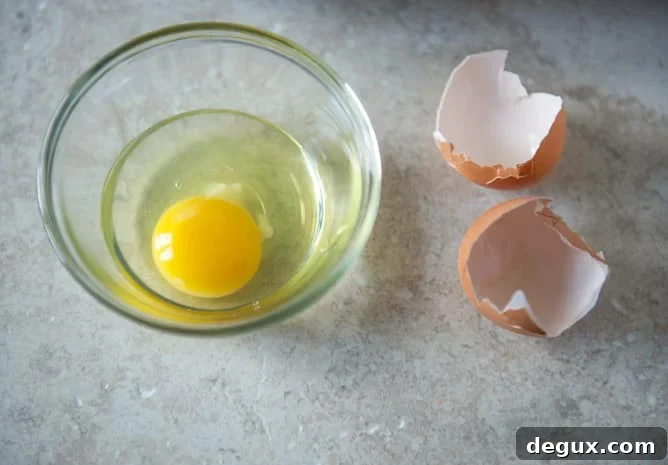
Crack each egg into a small bowl first. I do this because when I’m photographing food, that’s when shells magically appear in the pan. Pour the eggs gently onto the warm surface, then be patient—don’t add oil or butter.
On low heat, the whites will cook slowly and stay smooth and bright white while the yolks remain glossy and vibrant. Depending on your equipment and personal preference, the eggs take roughly five minutes to reach my desired doneness. I usually don’t flip them for photos so the yolks stay intact and glossy, but you can flip if you prefer a firmer top.
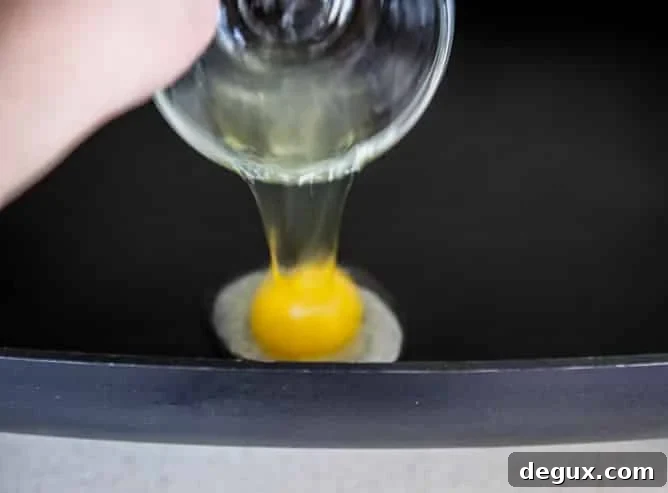
Keep an eye on the eggs. Even at low heat they can overcook and take on a rubbery texture or develop browned edges, which is less appealing in photos. If you’re cooking for yourself and not photographing the meal, worry less about perfect appearance and more about the flavor you prefer.
Finishing with a sprinkle of salt and freshly ground pepper is often all they need. The contrast of bright white, glossy yolk, and simple seasonings gives eggs that “sunny” look that photographs well.
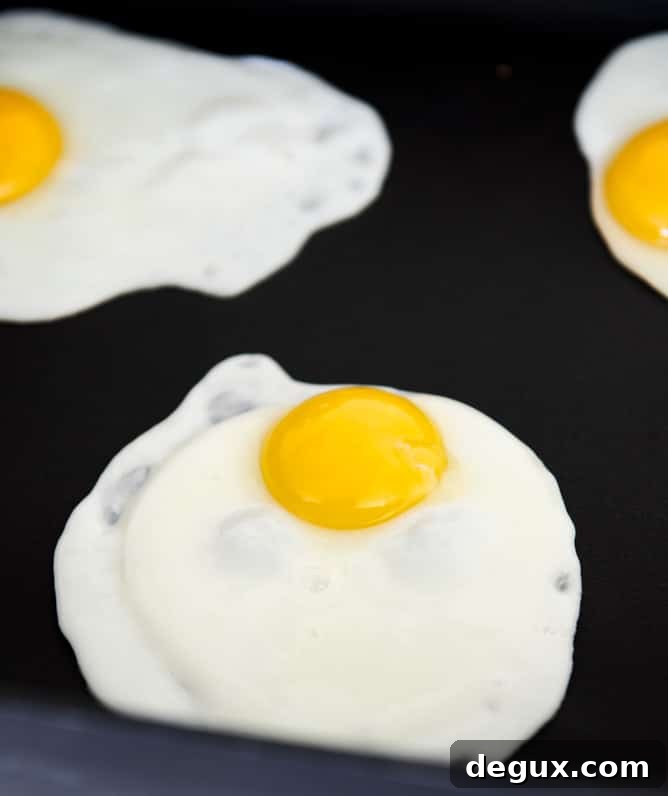
That’s my method—slow, low, no oil, and a truly nonstick surface. It’s simple, a bit time-consuming, and it makes eggs look photogenic without gimmicks. Want to see more exact techniques I use in the kitchen? I’ve shared how I brown butter and roast chickpeas with the same attention to slow, careful cooking. Anything else you’d like me to demonstrate?